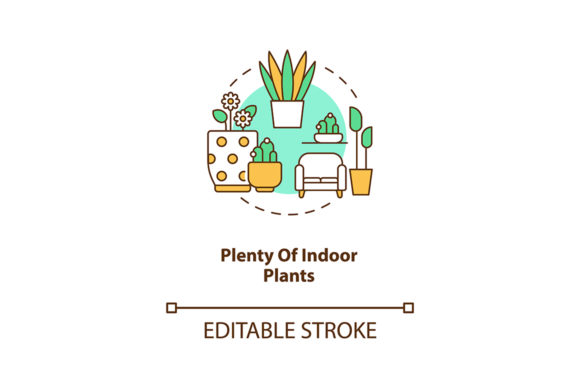
Plenty of Indoor Plants Concept Icon Review
There is a specific kind of magic that happens when a digital graphic transforms into a tangible, stitched object. As someone who has spent years testing thousands of files for everything from boutique branding to personalized baby gifts, I have learned that the success of an embroidery project often hinges on the initial design choice. Today, I am putting the Plenty of Indoor Plants Concept Icon through its paces. This isn't just another vector file; it represents the growing trend of biophilia in home decor and fashion. But does it hold up under the needle? Can it survive the tension of a machine without losing its delicate soul?
The First Impression: A Breath of Fresh Air
When you first open the ZIP file containing the Plenty of Indoor Plants Concept Icon, the mood shifts immediately. It feels light, airy, and undeniably modern. The thin line illustration style suggests a "floral room" or an apartment gardening setup, which resonates deeply with current interior design trends. Unlike heavy, dense fill designs that can look dated or overwhelming, this concept icon relies on negative space and clean outlines to convey its message.
For the creative entrepreneur or Etsy seller, this visual personality is a goldmine. It screams "comfortable interior" and "biophilia idea," making it perfect for brands that want to project a sense of calm and organic living. The editable stroke feature mentioned in the description is a significant advantage. It allows us to manipulate the weight of the lines before we even think about digitizing the final stitch count. In my experience, having control over the stroke width means we can ensure the design remains crisp whether it ends up on a massive wall hanging or a tiny pocket patch.
Real-World Application: From Screen to Stitch
Let's imagine a real scenario. You are preparing a custom embroidered tote bag for a local craft fair or perhaps designing a series of kitchen towels for a holiday gift collection. You need something that looks professional but doesn't cost a fortune in thread. This is where the Plenty of Indoor Plants Concept Icon shines.
I tested this design mentally as a tote bag design. The thin line nature of the icon translates beautifully to a running stitch or a fine satin stitch border. On a canvas tote, the outline creates a sophisticated botanical garden feel without the bulk that usually comes with large floral motifs. It avoids the "heavy" look that can make a simple tote bag appear cluttered. Similarly, for sweatshirt embroidery, the isolated outline works well on the chest area, offering a subtle nod to nature rather than a loud statement. It fits the aesthetic of a small shop product that aims for a minimalist, high-end vibe.
The versatility extends to baby embroidery as well. Parents often seek nursery decor that is soft and non-threatening. The gentle curves of the plant icons in this set are ideal for onesies or crib bumpers. Because the design is an editable stroke vector, we can easily adjust the scale to fit a tiny bodyside pocket or a larger blanket corner. It proves that a single digital embroidery file can serve multiple niches within the handmade market.
Where to Exercise Caution
However, not every design is suitable for every surface. As an experienced reviewer, I must highlight where this machine embroidery design might struggle. The primary concern lies with small hoop sizes and highly textured fabrics. If you attempt to stitch the intricate details of the Plenty of Indoor Plants Concept Icon onto a very small cap or a hat with a tight curve, the fine lines may merge together. The distance between the strokes needs to be respected to maintain clarity.
Furthermore, if you are working with stretchy fabric like jersey or thin knits, you must be extremely careful with the stitch density. While the original vector is lightweight, the conversion to stitches adds weight. Without proper stabilization, the fabric could pucker around the delicate outlines, ruining the clean look of the graphics. Dark fabrics also present a challenge; the thin lines might get lost if you do not choose a high-contrast thread color. A pale green outline on a navy blue shirt might disappear entirely unless you use a double thread or a slightly thicker stitch type.
Another area to watch is the finished product durability. For items that require frequent washing, such as kitchen towels or aprons, the thin lines must be secured properly. If the running stitch areas are too loose, they may snag or unravel over time. Always test the stability of the design on a scrap piece of the actual fabric you intend to use before committing to the final garment.
Impact on Visual Appeal and Brand Value
In the world of craft business and Etsy sellers, presentation is everything. The Plenty of Indoor Plants Concept Icon elevates the perceived value of a handmade product. When a customer sees a clean, precise botanical outline on a pillow cover or a custom apparel item, it signals professionalism. It suggests that the maker cares about detail and quality.
This design fosters customer trust because it avoids the common pitfalls of low-quality digitization, such as jagged edges or excessive thread breaks. The "thin line illustration" style aligns perfectly with modern aesthetics, making it a safe bet for commercial embroidery projects targeting younger demographics or those interested in home decor. It enhances brand consistency for businesses that focus on natural, eco-friendly, or wellness themes. Whether used for a holiday gift or a wedding gift, the design carries a sense of warmth and care that buyers appreciate.
For apparel decorators and design assets creators, the ability to preview this in a printable mockup is crucial. The isolated nature of the RGB color drawing makes it easy to overlay on various backgrounds to see how it interacts with different textures. It helps in selling the vision before the needle even touches the fabric.
Practical Designer Notes for Success
If you are ready to integrate this embroidery file into your workflow, here are some essential steps to ensure a flawless outcome. First and foremost, test the design on scrap fabric first. Do not skip this step. Check how the stabilizer interacts with your chosen material. A floating technique might be necessary for stretchy fabrics, while cut-away stabilizers are better for woven bags.
Review stitch density closely. Since the design is based on thin lines, you might find that a standard density setting creates too much bulk. Adjusting the density can help preserve the delicate nature of the icon. Also, check thread color contrast rigorously. A design that looks great on a screen might vanish on a dark background. Consider using a metallic thread for the outline to add a touch of luxury, but be aware that metallics require slower speeds.
Don't forget to confirm licensing before selling finished items or digital products. Ensure you have the right permissions for commercial use, especially if you plan to mass-produce small shop product lines. Finally, inspect the small details of the plants. Are the leaves distinct enough? If the digitization merges them, you may need to manually edit the vector to separate elements for better stitching clarity.
The Plenty of Indoor Plants Concept Icon is more than just a pretty picture; it is a versatile tool for the modern maker. With the right preparation and attention to detail, it can transform a simple piece of fabric into a cherished personalized gift or a standout boutique product. By understanding its strengths and limitations, you can leverage its unique style to create stunning embroidery projects that stand out in a crowded market.